Residential Inpatient
Rehab in Los Angeles
Immersive, structured 24/7 addiction treatment in a safe residential environment. Our licensed clinical team delivers evidence-based therapy, dual diagnosis care, and holistic healing — guiding individuals from stabilization through lasting recovery.
24/7 Clinical Monitoring | DHCS Licensed · #191661AP | Confidential Process | Insurance Accepted





UNDERSTANDING RESIDENTIAL TREATMENT
What Is Residential Inpatient Rehab?
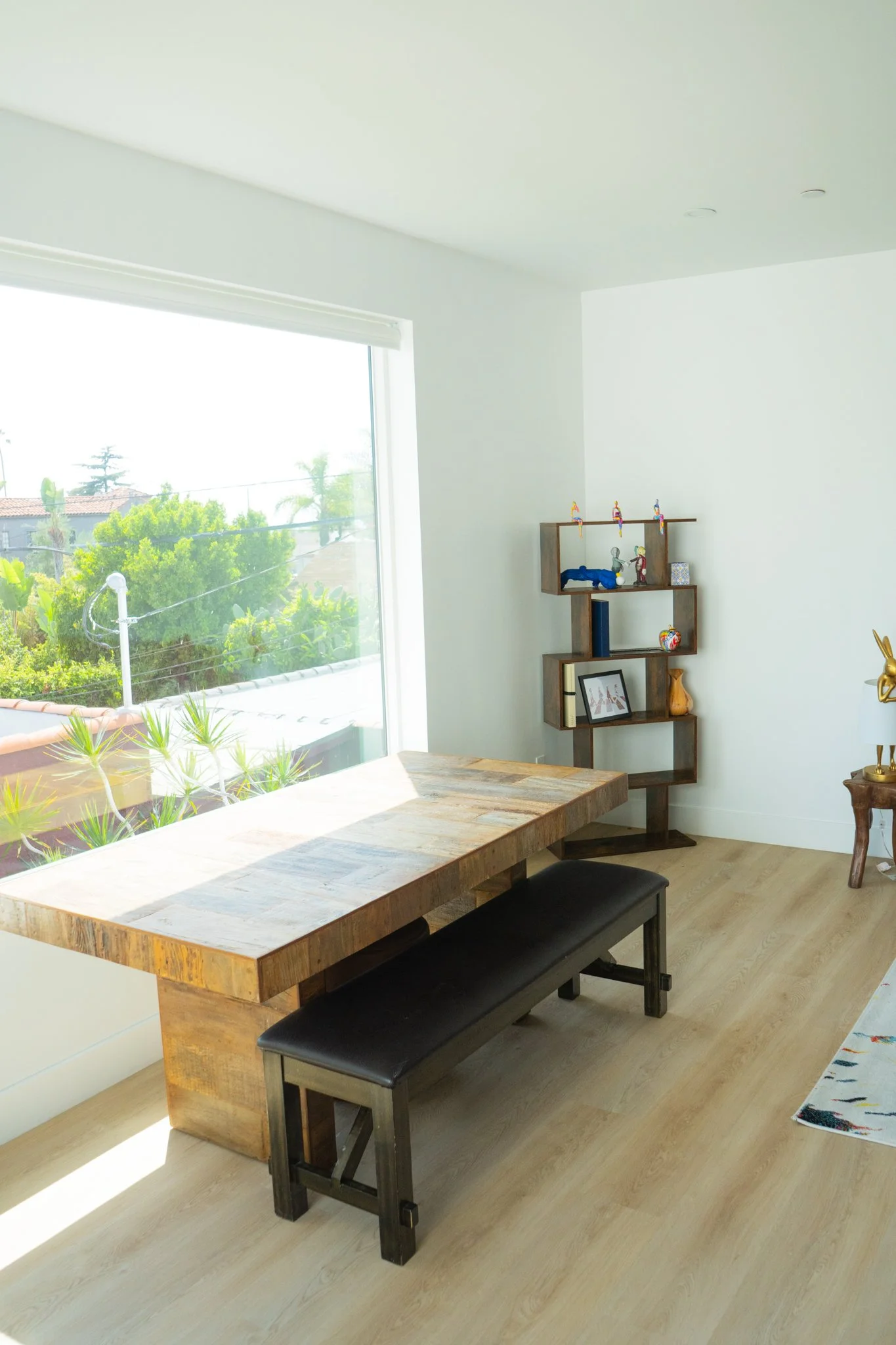
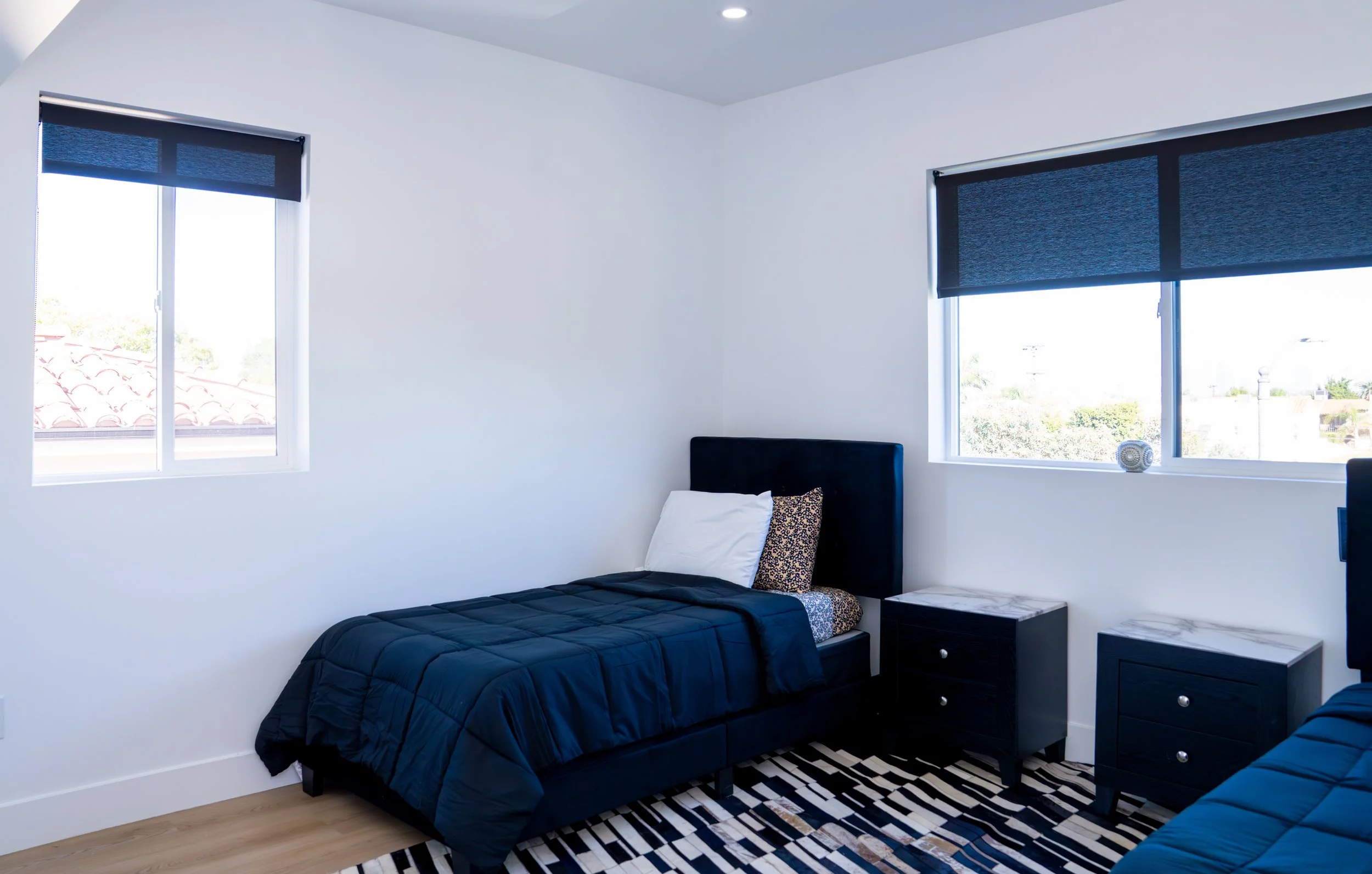
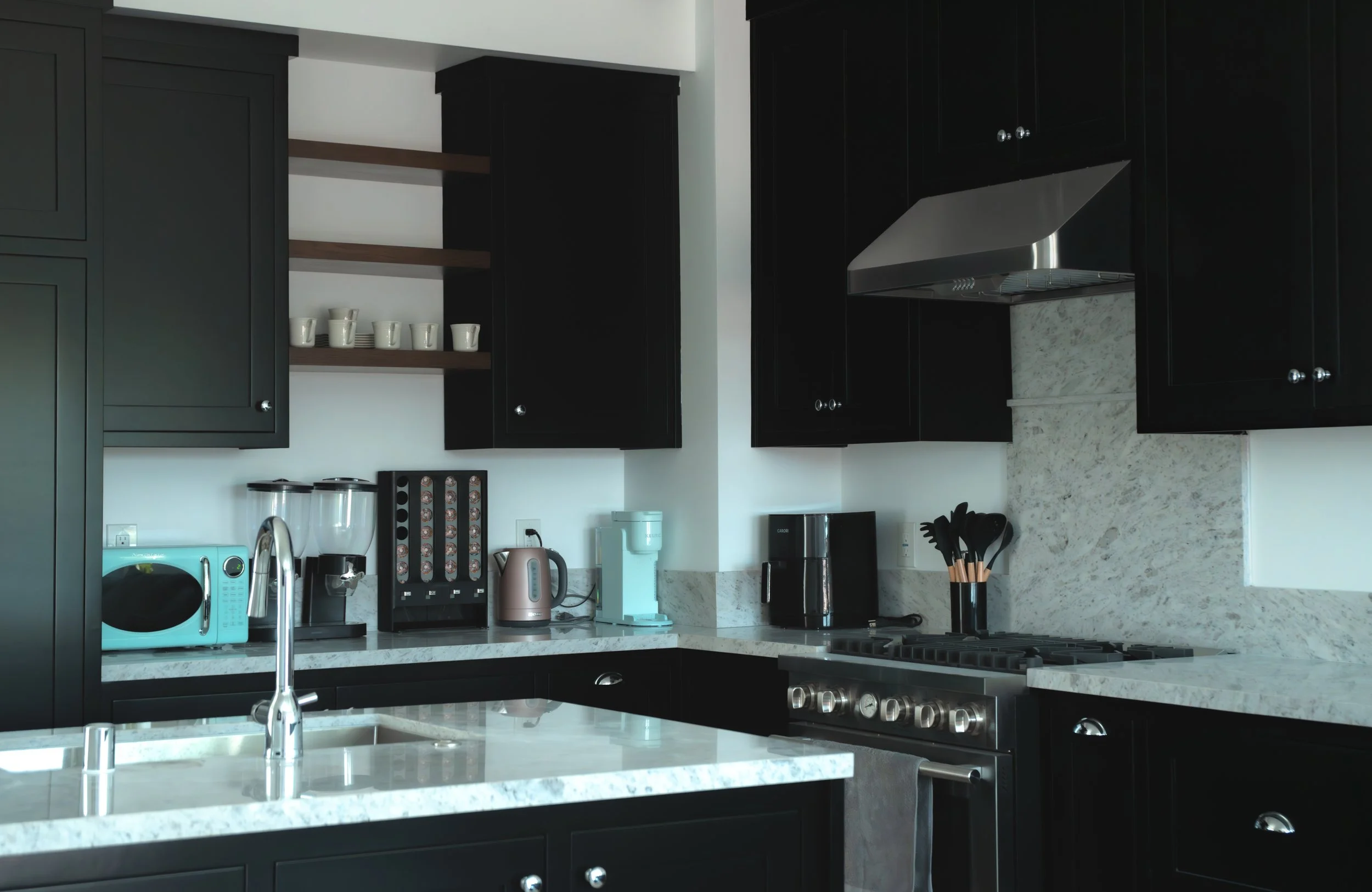
Residential inpatient rehab is the highest non-hospital level of addiction treatment. Individuals live on-site at the treatment facility and receive structured, immersive care around the clock — removing them from the environments, triggers, and patterns that contributed to active addiction, while building the clinical and behavioral foundations for lasting recovery.
At Reign Recovery, our residential inpatient rehab program in Los Angeles provides a structured daily schedule of individual therapy, group therapy, clinical programming, holistic activities, and wellness practices — all within a safe, supervised, and compassionate residential environment.
What Is the Difference Between Residential and Inpatient Treatment?
These two terms are frequently used interchangeably in the addiction treatment field, but they describe distinct clinical settings. Understanding the difference helps individuals and families make the most informed decision about care.
Reign Recovery's Residential Program
Our program offers the clinical depth and structured support of inpatient care within a residential setting, providing round-the-clock oversight, licensed clinical programming, and a structured therapeutic community, without a hospital environment.
DUAL DIAGNOSIS TREATMENT
Treating Addiction & Mental Health Together
At Reign Recovery, we understand that addiction rarely exists in isolation. The majority of individuals seeking residential treatment also live with co-occurring mental health conditions, including depression, anxiety disorders, PTSD, bipolar disorder, and personality disorders.
Our dual diagnosis approach means both conditions are assessed, diagnosed, and treated simultaneously throughout the residential program, rather than addressing addiction first and mental health later. This integrated model produces significantly better long-term outcomes.
Major depressive disorder and persistent depression
Generalized anxiety disorder and panic disorder
Post-traumatic stress disorder (PTSD) and complex trauma
Bipolar disorder and mood dysregulation
Borderline personality disorder
Attention deficit disorders and impulse control
CORE PROGRAM COMPONENTS
What Our Residential Program Includes
Every individual admitted to Reign Recovery's residential program receives a personalized treatment plan developed collaboratively with our clinical team. The plan is reviewed and updated regularly throughout the program as needs evolve.
Individual Therapy
Weekly one-on-one sessions with a licensed therapist addressing personal history, trauma, and recovery goals.
Trauma-Informed Care
Integrated trauma screening and trauma-sensitive clinical practices throughout the entire treatment experience.
Holistic Therapies
Yoga, meditation, breathwork, art therapy, sound therapy, and recreational wellness integrated with clinical care.
Group Therapy
Daily process groups facilitated by licensed therapists, peer support, shared accountability, and skill-building.
Family Therapy
Structured family sessions and educational programming to rebuild relationships and support the recovery process.
12-Step Integration
Evidence-based 12-step facilitation, peer meetings, and community connection as a foundation for long-term sobriety.
CBT & DBT
Evidence-based therapy addressing cognitive patterns, emotional regulation, distress tolerance, and relapse prevention.
MAT (if applicable)
FDA-approved medication management for opioid and alcohol use disorders, supervised by our medical team.
Discharge Planning
Comprehensive aftercare planning begins at admission, ensuring continuity of care and a clear path post-discharge.
Ready to Begin?
Our admissions team is available 24 hours a day, 7 days a week. Verification is confidential and costs nothing.
Verify Insurance Now
or call us directly
PROGRAM DETAILS
Los Angeles, California
30 - 90+ days (clinical)
DHCS Licensed #191661AP
Dual diagnosis capable
HIPAA-compliant intake
24/7 clinical oversight
FREQUENTLY ASKED QUESTIONS
Residential Inpatient Rehab Los Angeles Common Questions
-
Residential treatment at Reign Recovery typically ranges from 30 to 90 days, with longer stays available and recommended for more complex presentations. Research consistently shows that longer treatment duration is associated with significantly better long-term outcomes. Our clinical team collaborates with each individual on a personalized length-of-stay plan based on clinical need, insurance coverage, and individual goals — with the shared goal of staying as long as the treatment is clinically beneficial.
-
Yes. Most major insurance plans cover residential inpatient rehab when it is clinically necessary. Under federal mental health parity laws, insurance companies are required to cover substance use disorder treatment at the same level as other medical conditions. Reign Recovery accepts Blue Cross Blue Shield, Aetna, Cigna, United Healthcare, Anthem, and other major plans. Our admissions team verifies insurance coverage confidentially as the very first step — at no cost and with no obligation.
-
You should bring comfortable clothing for daily activities and therapy, personal hygiene items, any prescribed medications in their original labelled bottles, a photo ID, and insurance card. Leave behind anything that could be disruptive to the therapeutic environment — our admissions team will provide a complete packing list during the intake process. Electronics policies vary and will be communicated clearly at admission.
-
Family involvement is encouraged and integrated into the treatment programme where clinically appropriate. Family therapy sessions are available as part of the programme. Visitation policies are structured to support the therapeutic community while maintaining connection with supportive family members. Our clinical team determines visitation schedules based on individual treatment progress and clinical recommendations. Families are kept informed throughout the process.
-
Discharge planning begins at admission, not at the end of treatment. Our clinical team works with each individual to develop a comprehensive aftercare plan that may include alumni support, continuing therapy, 12-step community participation, sober living placement, and follow-up care coordination. The goal is to ensure that the work done in residential treatment continues seamlessly after discharge, reducing relapse risk and supporting long-term sobriety.
-
Residential treatment is generally recommended for individuals who have a moderate to severe substance use disorder, have been unable to maintain sobriety through less intensive treatment, have co-occurring mental health conditions that require clinical support, or whose home environment poses a significant risk to early recovery. The best way to determine the right level of care is through a clinical assessment with our admissions team, a confidential conversation that costs nothing and carries no obligation.
Most Insurance Plans Accepted
Verify your coverage in minutes — confidential, no obligation.



+ More